64 Years
of Friendship & Solidarity
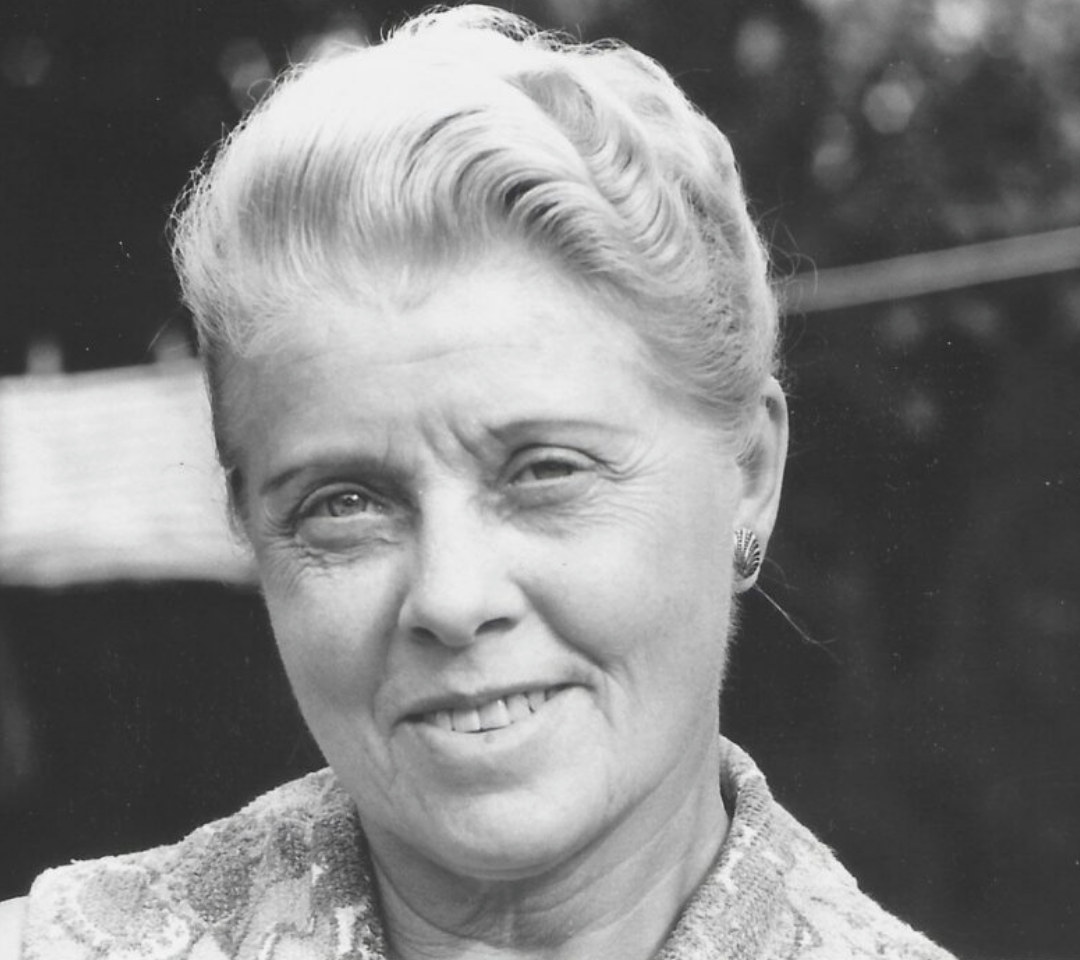
Dagny Arbman, founder of The Swallows in Sweden (1959)
The story of The Swallows in India cannot be fully understood without first looking back to 1937, a time of deep colonial complexity and social stratification.
It was in this year that a young French Jesuit priest named Pierre Ceyrac arrived in India as a missionary. Deeply shocked by the extreme, systemic poverty and the rigid, unforgiving caste system he witnessed firsthand, Father Ceyrac made a profound decision: he would devote his entire life to the country’s poorest populations, specifically focusing his efforts on the Dalits.
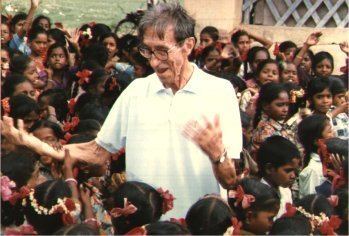
Father Ceyrac surrounded by the children he dedicated his life to serving.
His unwavering dedication and boots-on-the-ground activism caught the attention and encouragement of towering historical figures, including Mahatma Gandhi and Jawaharlal Nehru, who recognized the necessity of his work.
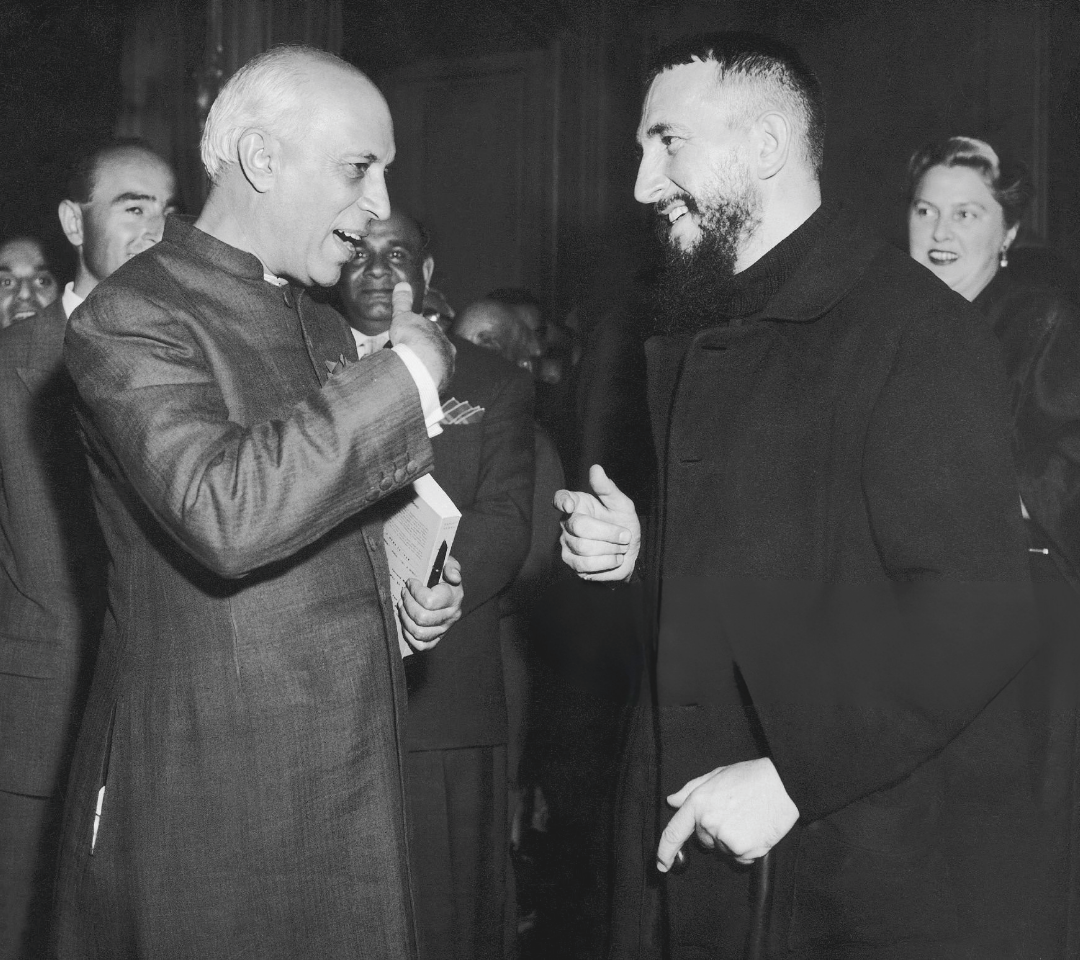
In late December 1958, Father Ceyrac expanded his international network of solidarity by inviting another prominent figure, Abbé Pierre, to make his first trip to India. During this momentous visit, Abbé Pierre delivered passionate lectures to students at Catholic universities and secured a meeting with Prime Minister Nehru. The Prime Minister, recognizing the value of international cooperation in poverty alleviation, offered his official support to the Emmaus volunteers.
Simultaneously, thousands of miles away in Scandinavia, a parallel movement of empathy was stirring. In 1959, Dagny Arbman formally founded The Swallows (Svalorna) in Sweden. The philosophical alignment between Arbman's vision in Sweden and Father Ceyrac's mission on the ground in India created a natural, powerful synergy.
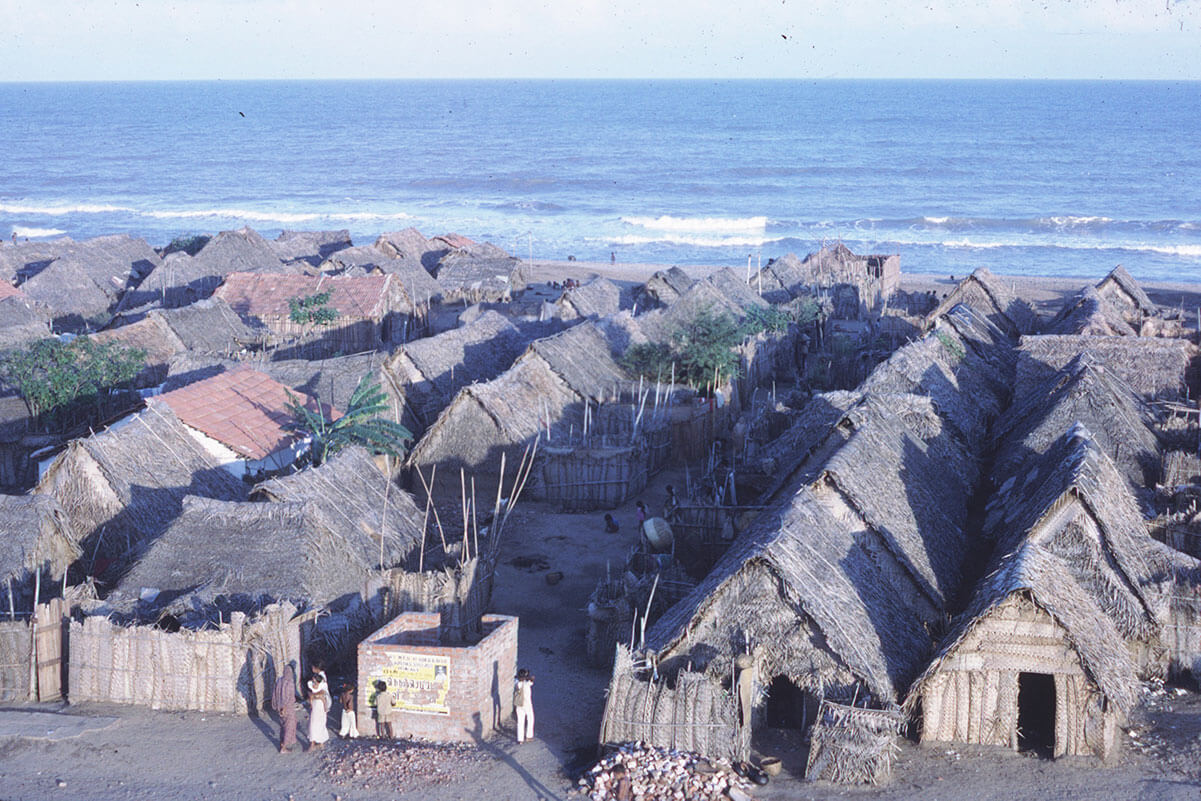
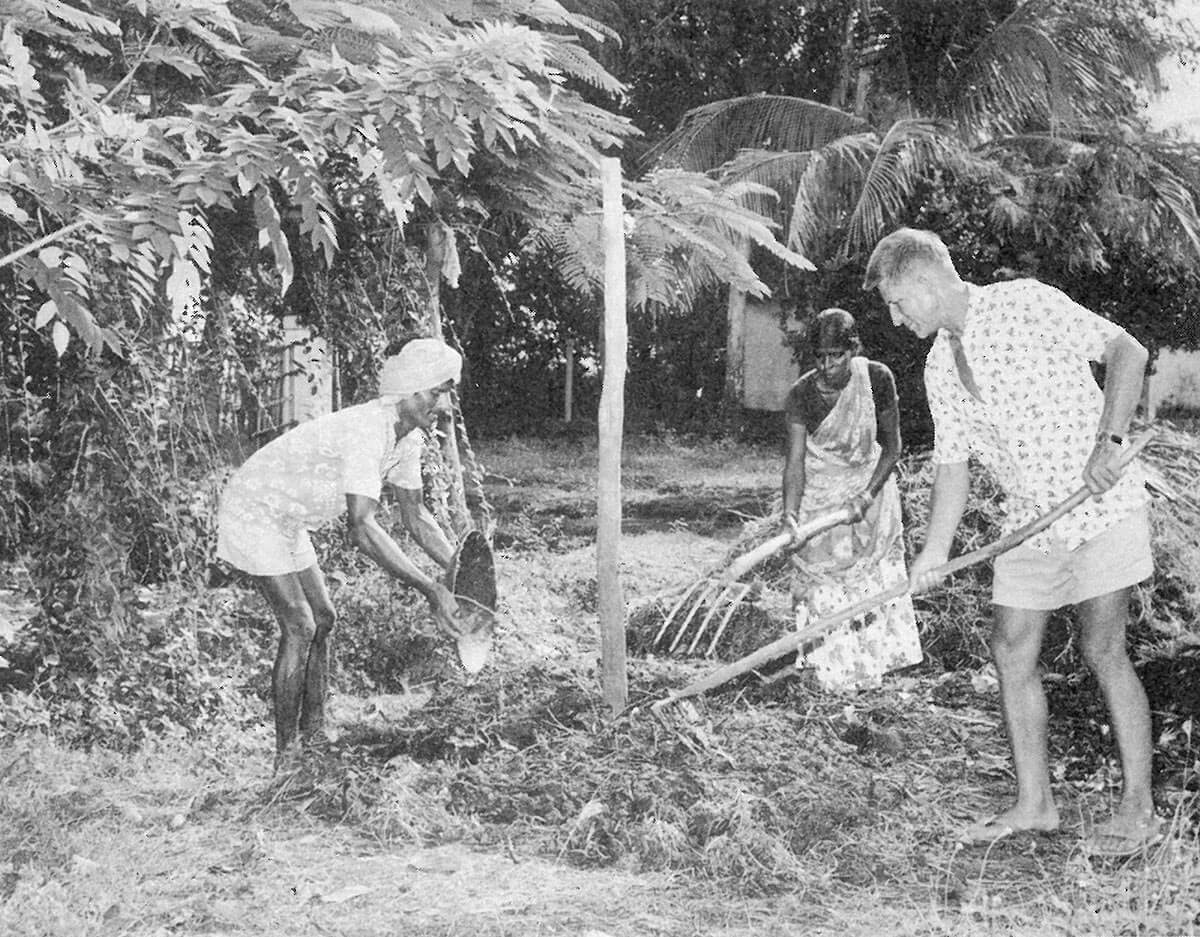
By 1962, The Swallows took their first monumental step, sending their first young volunteers to work directly alongside Father Ceyrac in the Cherian Nagar shantytown near Madras (now Chennai). The groundwork was laid, and by 1965, the volunteer organization "Swallows in India" was officially formed.
India and Sweden are separated by over 6,000 kilometers, yet for over six decades, an invisible bridge of solidarity has connected the two nations. What began as a traditional charity model of sending volunteers to relieve immediate distress evolved into a sophisticated, professional development network focusing on human rights, ecological sustainability, and self-reliance.
As India transformed from a newly independent nation into a global economic superpower, the challenges of poverty, caste discrimination, and environmental degradation persisted. What you are about to read is a comprehensive summary of 64 years of friendship, struggle, and enduring solidarity between two countries.
The 1960s
Shanti Cottage: Cultivating Hope in the Slums
Between 1962 and 1998, The Swallows championed one of their longest-running initiatives: the Shanti Cottage Handicraft Cooperative. This initiative was anchored by a bustling Community Centre in Cherian Nagar, located in the sprawling, under-resourced slums north of Madras.
The Community Centre quickly became an oasis of opportunity and essential services:
-
A Beacon of Education: The center housed a day school for children and an evening school for adults. Three deeply dedicated teachers took on the monumental task of teaching reading and writing, eventually reaching out to approximately 1,000 children in the slums.
-
Crucial Healthcare: A designated clinic, staffed by two Indian doctors, became a lifeline. They worked relentlessly to treat daily ailments, distribute milk for nutritional support, and provide vital, sensitive information regarding family planning.
-
The Power of Sponsorship: Through Swedish mentors and dedicated sponsors connected via The Swallows, 150 local children received scholarships and access to higher education that would have otherwise been impossible.
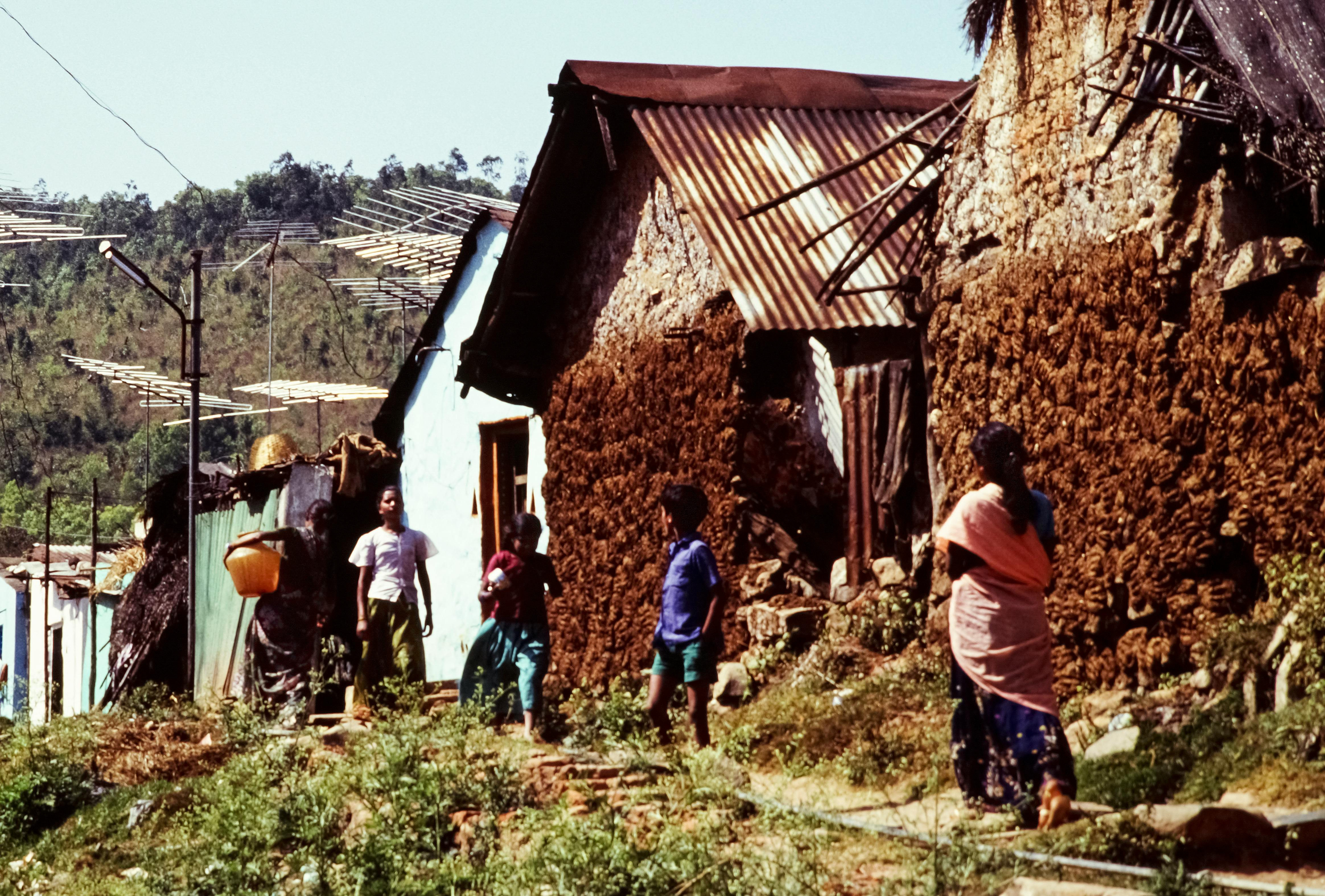
A 1965 house was built in Cherian Nagar for the volunteers.
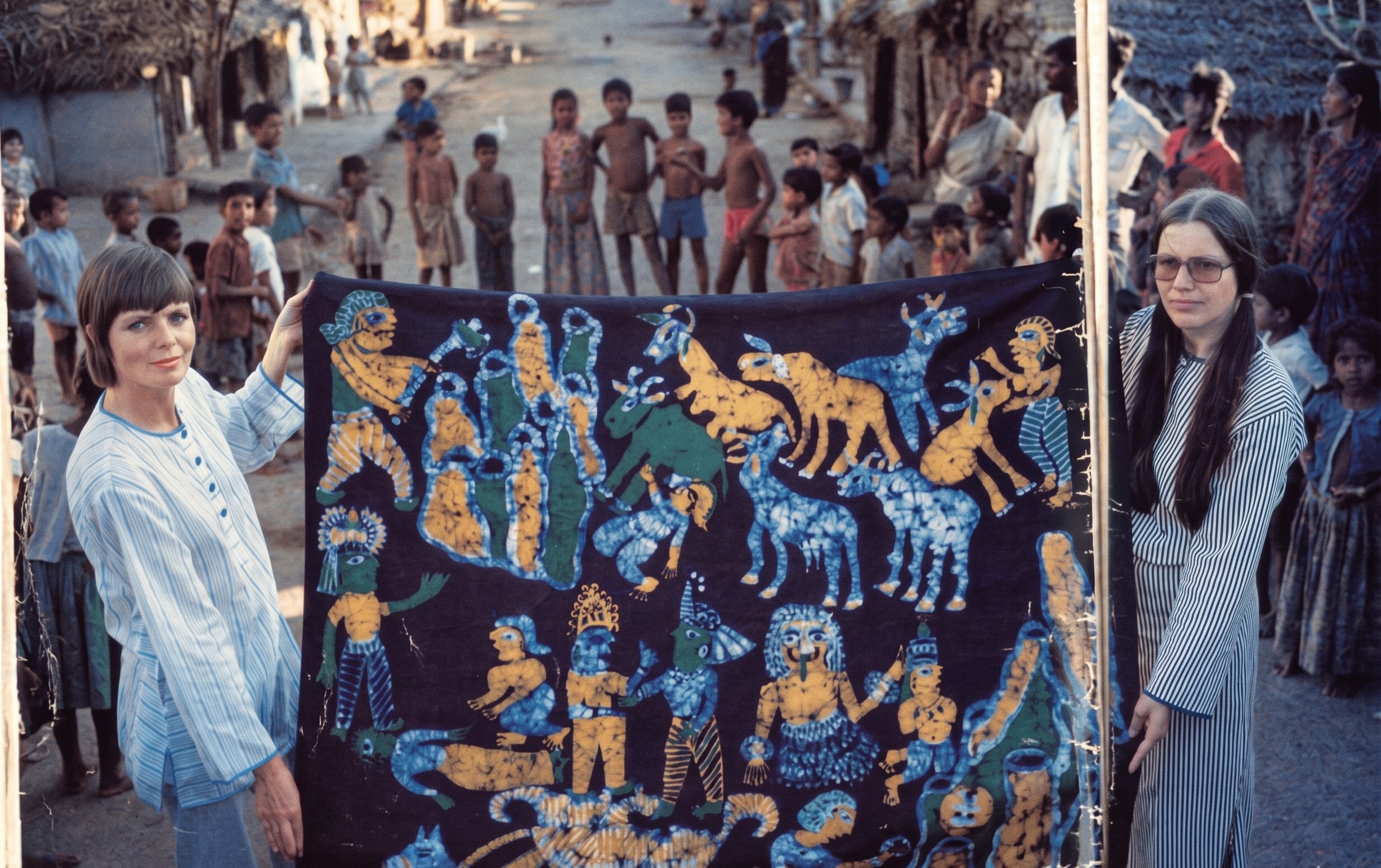
Maj Adolfsson and Karin Herring holding a decorated Batik textile.
The Batik Boom & Women's Independence
The Shanti Cottage Batik Industry emerged as a natural evolution of these early efforts. It provided direct employment to 17 local women from the neighborhood who received intensive training in advanced sewing techniques, textile design, and business management from Swedish volunteers.
The enterprise exploded in success. As the industry developed, 70 women were employed, generating an income of 800,000 Swedish Crowns annually by 1975. Crucially, the cooperative was not meant to be a permanent charity, but a bridge to self-reliance. It was eventually handed over entirely to the women themselves. A central figure in this transition was Geetha Raghavan, who was initially employed to manage the office and remained a fiercely loyal, lifelong friend until her passing in 2010.
The Reality of Volunteer Life
For The Swallows, it was a non-negotiable principle that volunteers must live as intimately as possible with the local people to truly understand their daily realities. The persistent, debilitating illnesses afflicting Swedish volunteers prompted the organization to build a dedicated house in Cherian Nagar in 1965.
"The most peculiar thing about the Swallows is their work method. They work and live together with the people living in the slums. They have left the Swedish comfort and security behind them to embrace the slum and its conditions... They work in this way because they have a belief that this is the best way. The Swallows want to help people in helping themselves."
— Tord Hubert, Swedish Journalist, VeckoJournalen (1975)
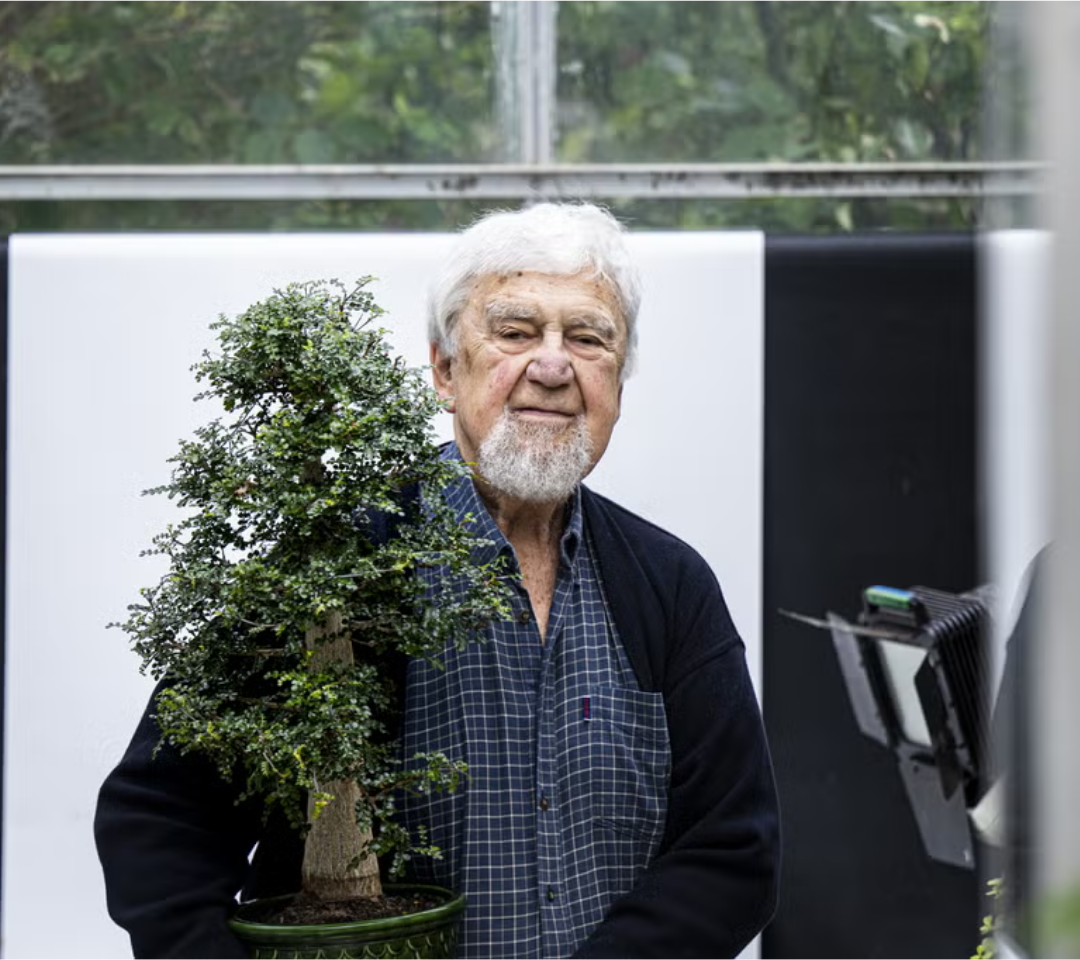
Tord Hubert
Late 1960s & 1970s
Rural Awakening and Social Rights
Confronting Caste Divide in EEV
As the work in the urban slums matured, The Swallows recognized the urgent need to address deep, systemic inequities in rural India. In 1966, they turned their attention to Eri Ethir Vayil (EEV), a small hamlet within the village of Thaiyr, south of Madras. This was an area explicitly designated for the "untouchables" (Dalits).
The EEV project, officially named The Swallows Rural Centre, aimed to aggressively elevate living conditions through cooperative farming, animal husbandry, education, and health. The impact of simply living alongside the villagers was profound, as captured by Swedish volunteer Per Lejergård in 1966:
"It gets dark quick, and many villagers come from the dark. One brought rice for our supper. We talk while we eat. And we offer tea. The contact is good – and it goes right into my heart."
The Birth of Blue Bird Nursery
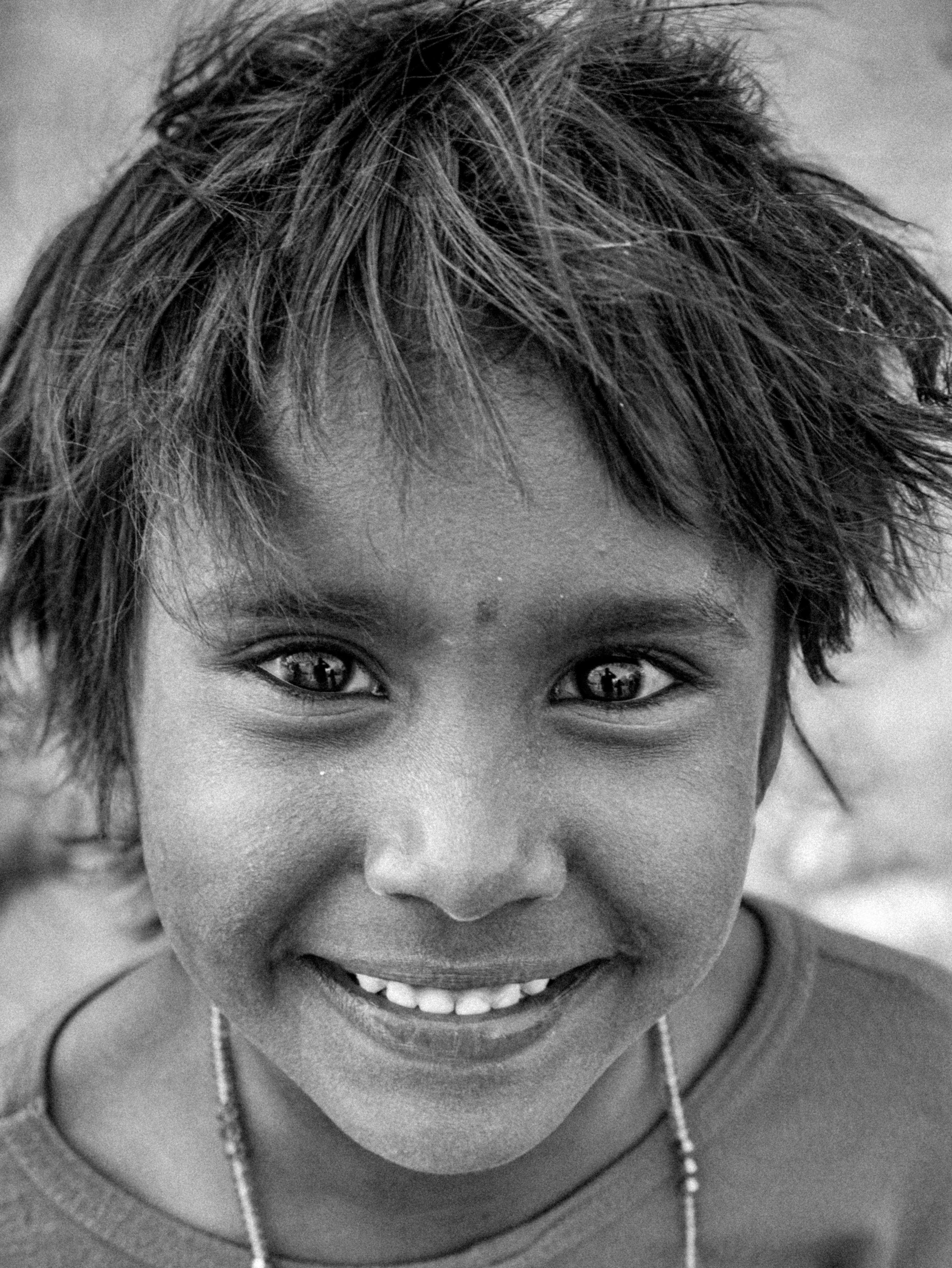
To support the families of EEV, The Swallows facilitated the creation of the Blue Bird Nursery. Initially functioning as a much-needed daycare center, it rapidly evolved into a regular school. Volunteer Olof Sahlström named it "Blue Bird" inspired by the Swallows' logotype. Administered by a Catholic priest and staffed by dedicated Catholic sisters, it doubled as a vital tutoring center for older students until 1988.
The Pedagogical Shift
During the 1970s, volunteers Birgitta Göransson and Ivo Iliste catalyzed a pivotal shift. They realized that traditional top-down aid was limited; true, sustainable liberation required "awareness" originating from the people themselves, aligning with the philosophies of Brazilian theorist Paulo Freire.
This led to the ripple effects of organizing. RHADA (Rural Harijan Development Association) organized strikes demanding minimum wages for Dalit farmers. VCDS (Village Community Development Society), founded in 1984 by Martine Savarimuthu and Kousalya, campaigned aggressively for the civic and social rights of Dalits and poor women.
Mobilizing the Slums
Sevapriva (1975) focused intensely on women and children in the Madras slums facing "double repression." They utilized street theatre, song, and demonstrations as potent tools to educate women on their legal rights and combat domestic violence. MERG (1979) deployed street theatre to help communities gain critical knowledge about local authorities.
Meanwhile, educated midwife Maria Zillioli completely transformed the local medical paradigm in Rajupeta, Andhra Pradesh. She championed a preventative care model firmly rooted in the traditional medicine of local women, empowering the community to control their own health outcomes. By 1983, Maria was directly employed by The Swallows via a SIDA grant.
The Environmental
Vanguard
1980s & 1990s
Protecting the Trees, Forests, and Rivers
It became blindingly evident that social justice in India was inextricably linked to environmental justice. The poorest communities relied directly on the fragile ecosystems of forests, rivers, and land for their very survival.
The Chipko Movement
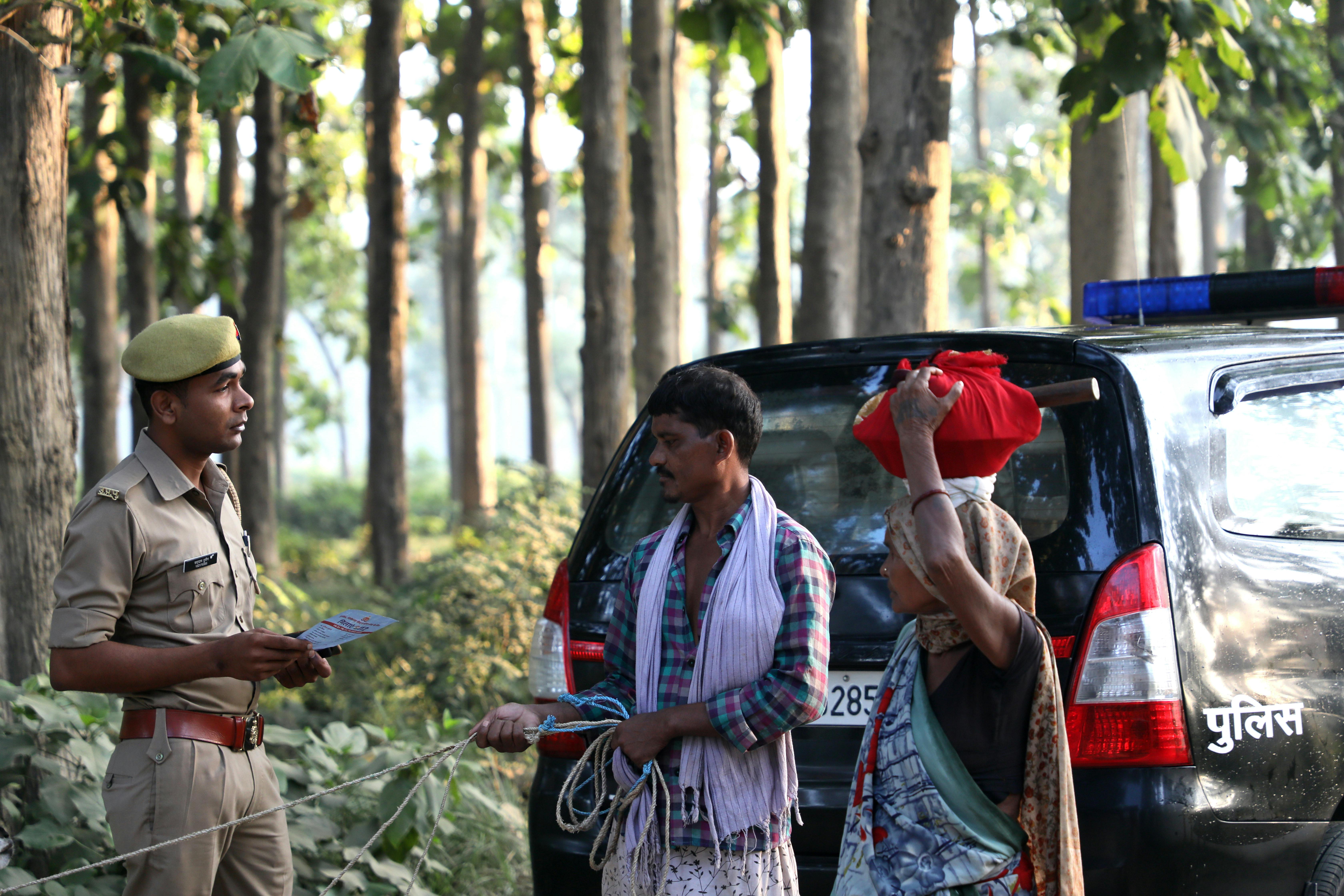
In 1979, The Swallows initiated a monumental partnership by throwing their full support behind the Chipko Movement (widely known as the tree-hugging movement). The movement's landmark event occurred on March 26, 1974, when fearless female peasants physically wrapped their bodies around trees in the Garhwal Himalayas to prevent commercial loggers from cutting them down.
The Swallows contributed by acting as the voice of the Chipko Andolan in the Global North. Volunteers Maud Johansson and Göran Eklöf spent years traveling India, chronicling this era in their 1992 book, När påfågeln flyr, vividly describing the resilience of the marginalized against monolithic industrial forces.
Cultivating Knowledge
The Swallows provided crucial early-stage support to the Centre for Science and Environment (CSE), a connection that began through legendary environmental activist Vandana Shiva. The Swallows helped fund the globally recognized magazine Down to Earth. CSE's dynamic director, Sunita Narain, relentlessly fought against top-down bureaucratic resource control.
In Southern India, The Swallows catalyzed an organic farming revolution by supporting numerous trusts: Tede Trust (organic farming and milk cooperatives), CHASE (landless empowerment), and GSN & SEED Trust (traditional grains and climate-resilient agriculture).
Keystone Foundation: Guardians of the Nilgiri Biosphere
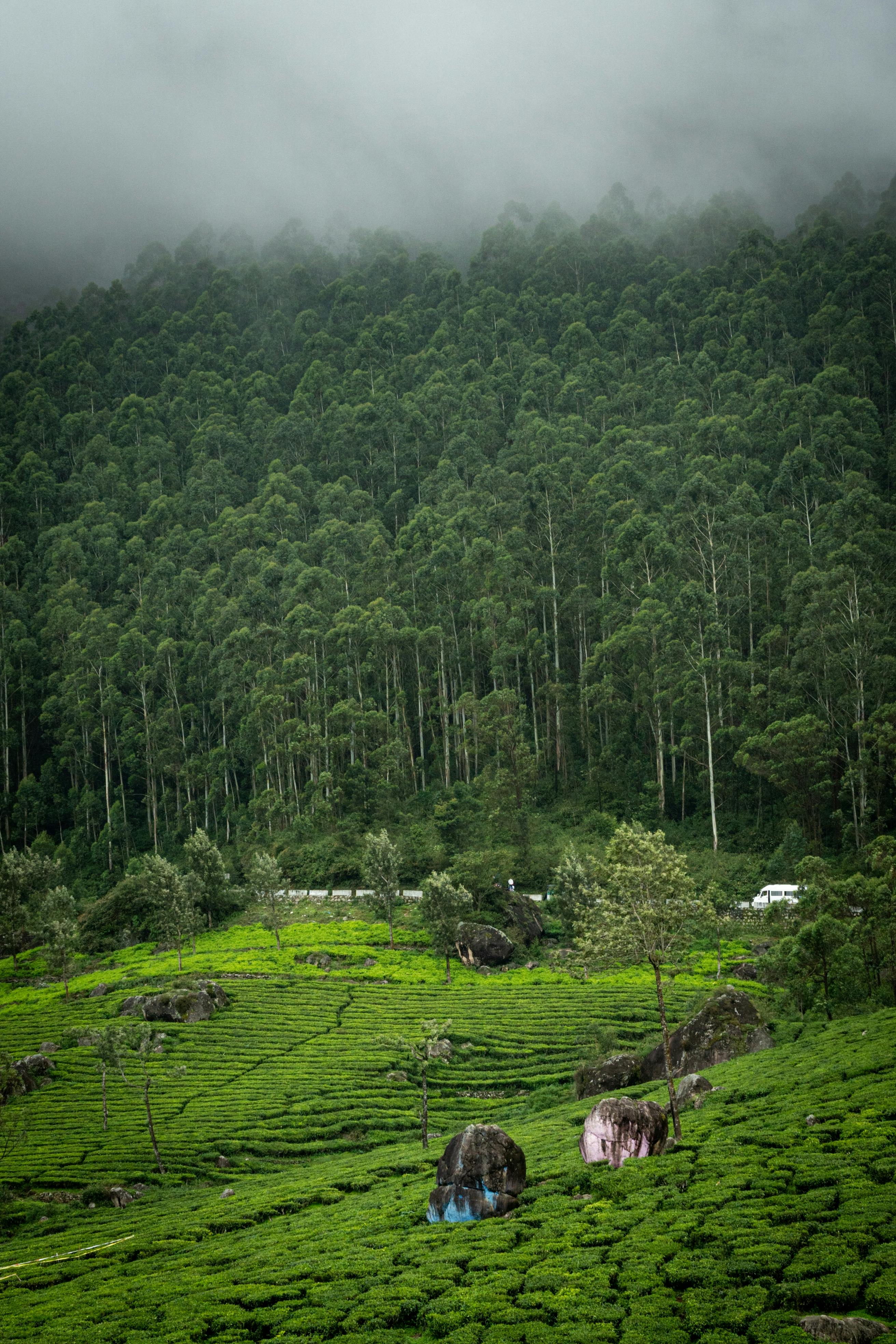
In 1993, The Swallows aligned with the eco-development group Keystone Foundation. The vulnerable ecosystem of the Nilgiri Biosphere Reserve was buckling under immense pressure from commercial tea and coffee plantations and illegal logging operations.
Keystone began by working alongside Adivasi honey-hunters in remote villages, helping them refine harvesting techniques without damaging the ecosystem. This trust-building blossomed into massive land development, water access projects, and the establishment of Green Shops—fair-trade outlets allowing indigenous farmers to sell non-timber forest products directly to consumers at fair prices, completely bypassing exploitative middlemen.
1990s — 2012
Deepening Grassroots Partnerships & Rights-Based Action
By the 1990s, The Swallows had transitioned fully from implementing their own projects to providing robust logistical, financial, and advocacy support to Indian-led organizations.
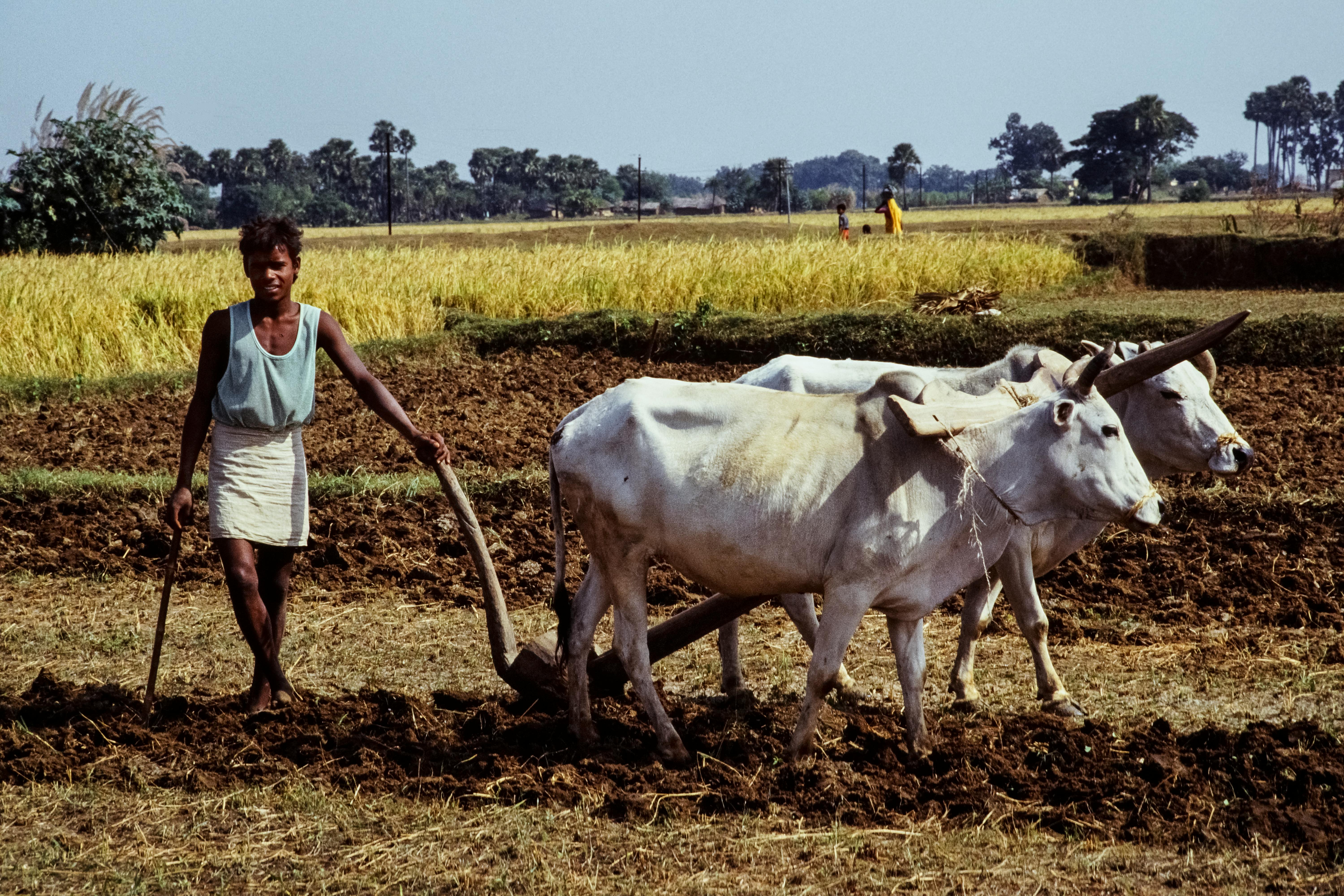
Kudumbam: The Power of the Collective Family
In 1990, a profound, two-decade-long partnership began with Kudumbam (meaning "family" in Tamil). They built the Kolunji Ecological Farm, a towering example of successful, sustainable cultivation in a severely drought-prone area. The organization operated on a simple philosophy: if villagers work together collectively, they become individually unbreakable. Kudumbam also ran the Vidivelli Children Home, providing sanctuary, educational guidance, and vocational skills for vulnerable children.
The Water Wars: Narmada and Tehri Dam Protests
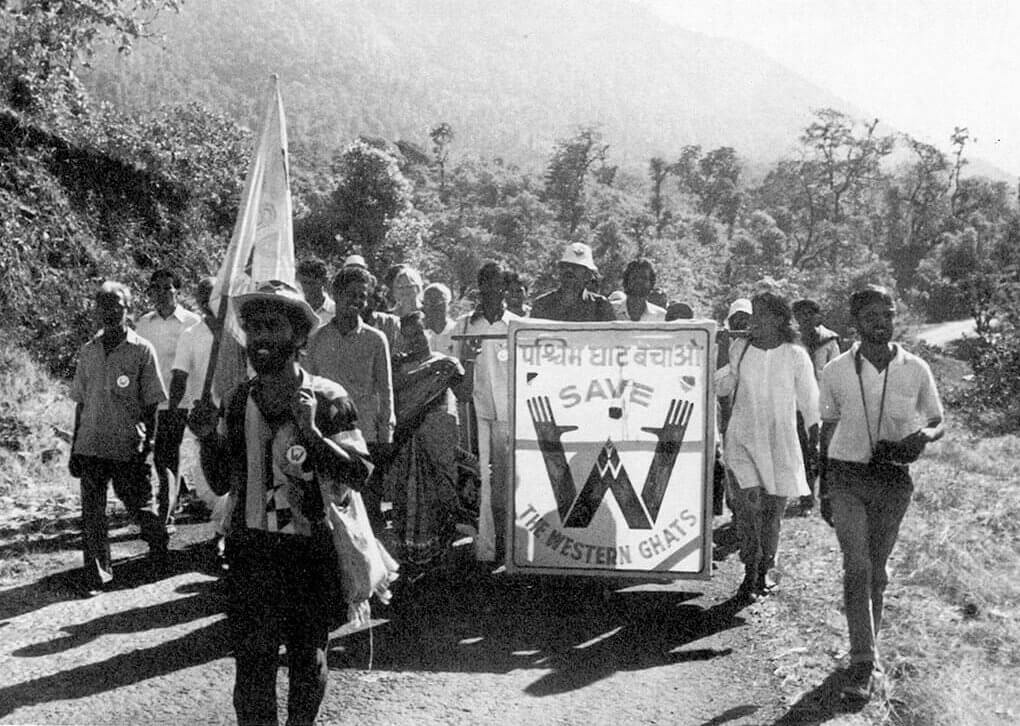
The construction of mega-dams became a violent flashpoint. In 1988, construction began on hundreds of dams across the Narmada River, threatening mass displacement. The Swallows partnered with the globally renowned Save the Narmada Movement, successfully lobbying the World Bank to dramatically withdraw its financial support.
At the Tehri Dam in the Himalayan foothills, The Swallows bore witness to an extraordinary form of protest: Every single afternoon, local women went down to the bridge in the town of Tehri and protested in absolute silence, maintaining this daily vigil for a staggering ten years.
Rights-Based Action & Food Sovereignty
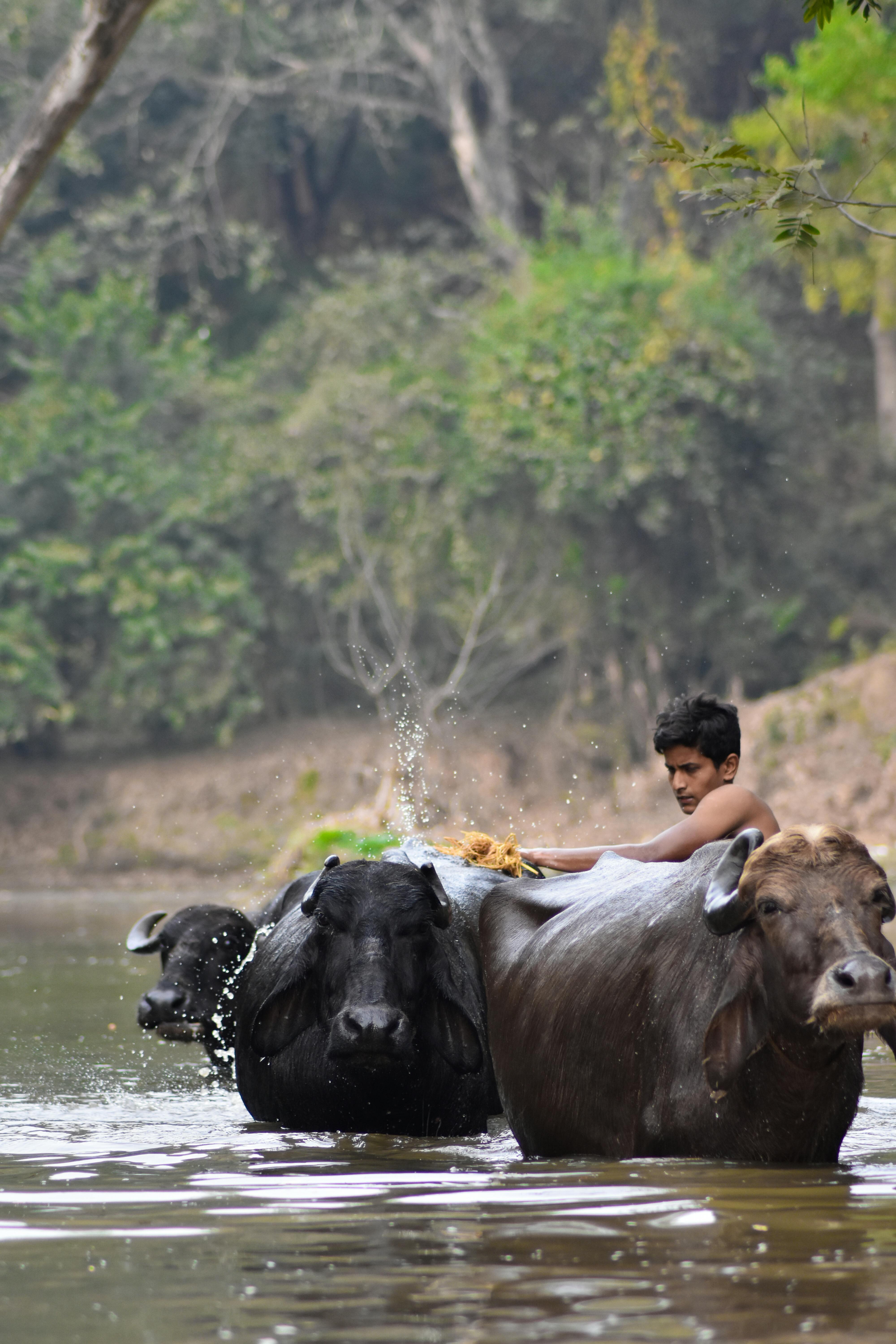
Inspired by Swedish anthropologist Pernille Gooch's 1998 thesis "At the Tail of the Buffalo," The Swallows partnered with SOPHIA in 2005 to support the Van Gujjars, an indigenous pastoral group refusing forced eviction from their ancestral homes. They established a successful fair-trade milk program and escalated to pure legal advocacy, utilizing the Forest Rights Act to permanently secure their legal right to live in the forests.
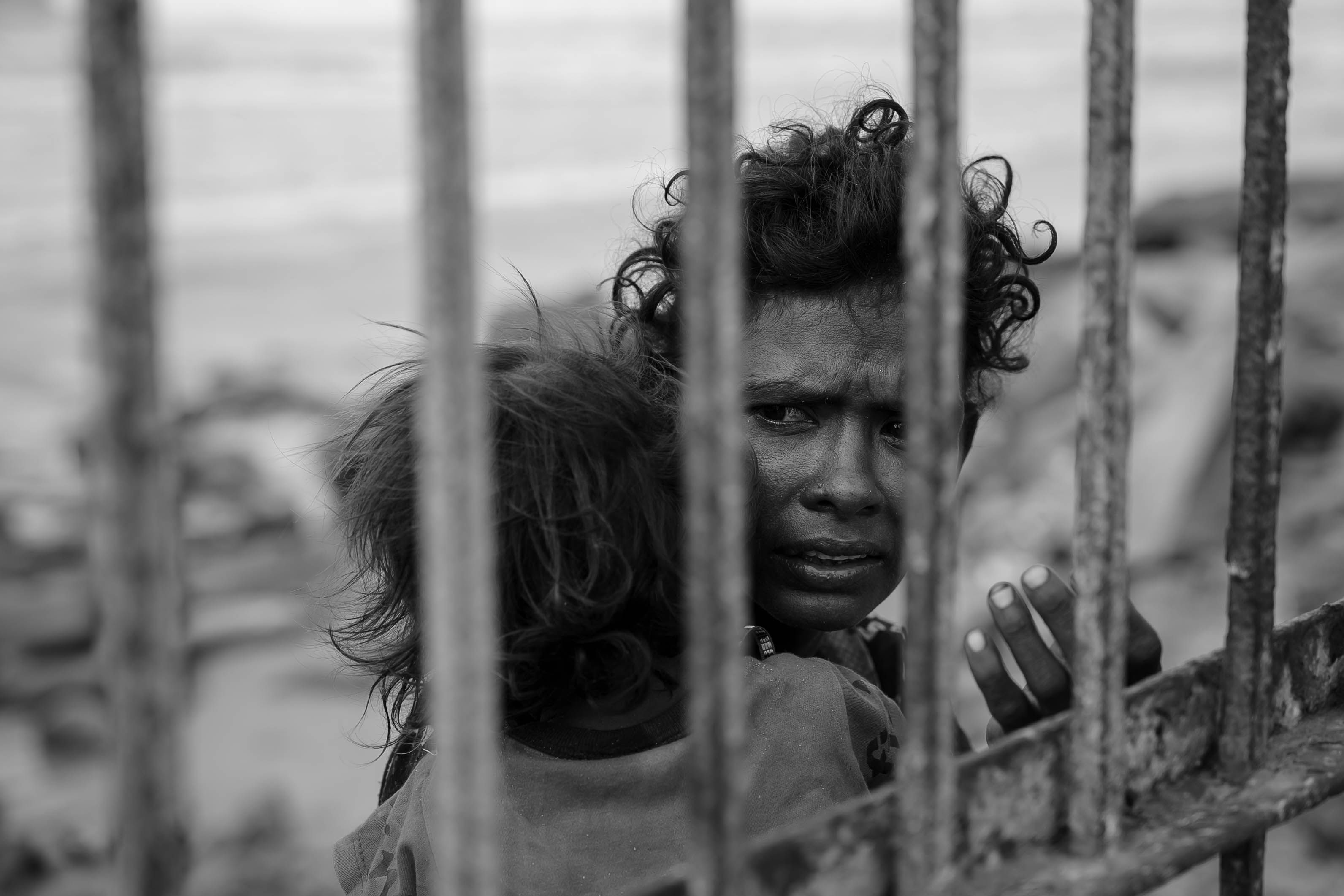
Starting in 2006, The Swallows heavily funded Velicham’s "Dalit Law Courses". Recognizing that deep-seated vulnerabilities required legal armor, these courses educated Dalit youths on their fundamental human rights. The results were profound: transformed into grassroots legal advocates, Dalit students began aggressively claiming their constitutional rights and dismantling systemic discrimination from the ground up.
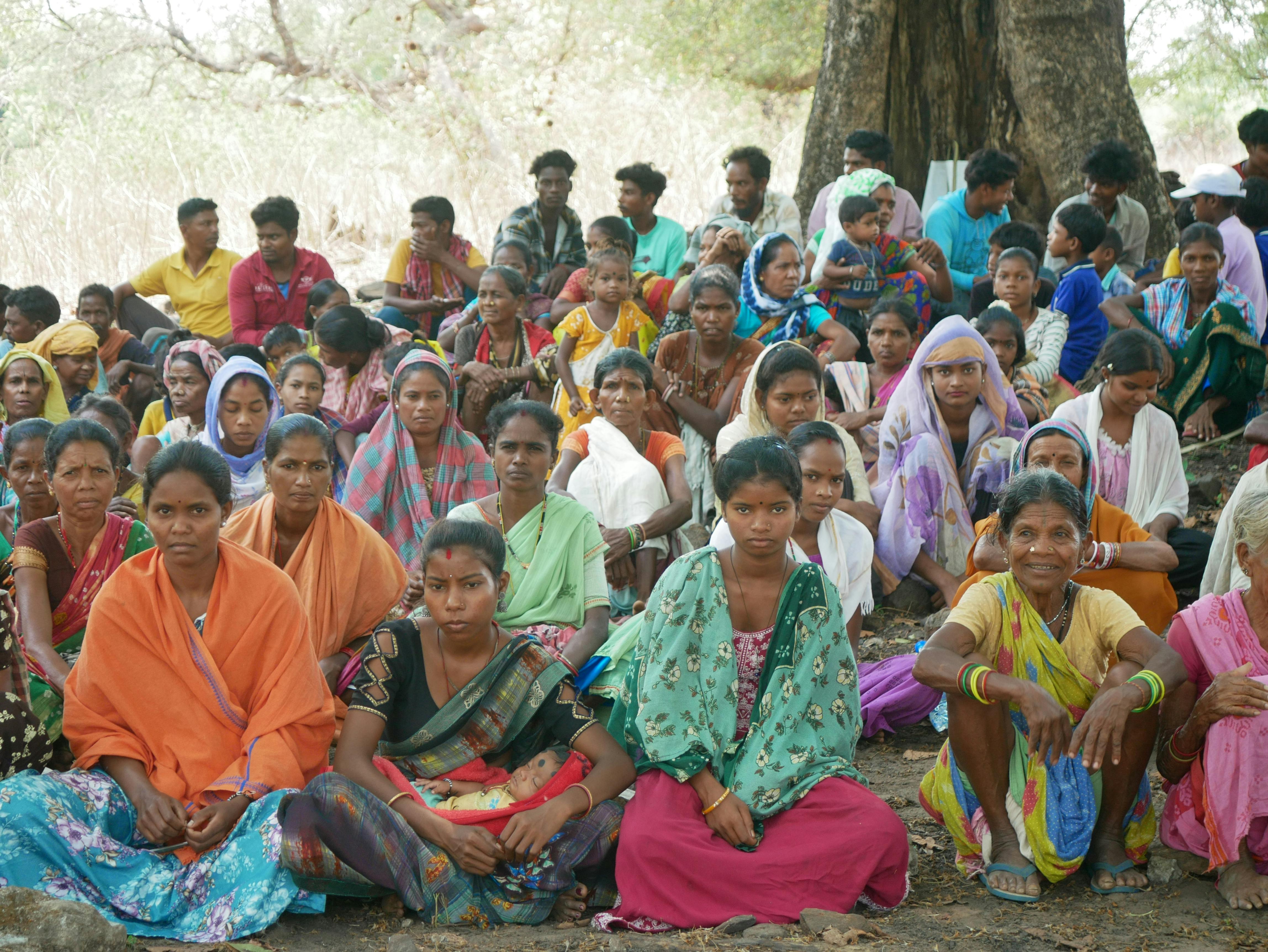
In 2009, a transformative partnership formed with the Deccan Development Society (DDS), empowering sangams—voluntary, village-level associations of incredibly poor, marginalized women across 75 villages in Andhra Pradesh. The ultimate goal was to federate these groups to lobby for their rights, autonomy, and absolute control over their food production. The weapon of choice for this revolution? Millets.
64 Years of Partnerships at a Glance
| Organization / Initiative | Focus Area / Methodology | Active Partnership Era |
|---|---|---|
| Shanti Cottage / Community Centre | Urban slum education, clinic, Batik handicraft | 1962 – 1998 |
| The Swallows Rural Centre (EEV) | Dalit rural upliftment, cooperative farming | 1966 – Onward |
| MERG | Village alphabetization, civil awareness theatre | 1979 – Onward |
| Chipko Movement / Appiko (2002) | Forest protection, tree-hugging, eco-defense | 1979 – 2002 |
| Tede Trust | Organic farming, milk cooperatives, tree planting | 1981 – 1991 |
| VCDS | Dalit civil rights, bonded labor emancipation | 1984 (Formed) – 2003 |
| CHASE | Landless empowerment, coastal tree irrigation | 1985 – 1987 |
| GSN | Non-formal organic education, traditional grains | 1987 – 1993 |
| SEED Trust | Sustainable agriculture, resource protection | 1987 – 1990 |
| SAG | Small funds support | 1987 |
| Save the Narmada Movement | Anti-mega dam protests, Adivasi displacement | Late 1980s – 1990s |
| ASW / CWS | Capacity building for Dalits, Adivasis, elders | 1990 – 1996 |
| Kudumbam | Organic agriculture (Kolunji Farm), Vidivelli Home | 1990 – 2010 |
| Keystone Foundation | Nilgiri Biosphere, Adivasi honey-hunters, Green Shops | 1993 |
| ECONET | Forestry, Adivasi/Dalit community support | 1993 |
| ROAD / Banas Catchment Project | Small funds support for rural development | 1993 |
| Velicham | Dalit Law Courses, human rights protection | 2000 (Formed) / 2006 – 2010 |
| STEPS | Small funds support | 2002 |
| Deccan Development Society (DDS) | Women's sangams, Millet Network of India (MINI) | 2009 – Onward |
| SOPHIA | Van Gujjar pastoral rights, fair-trade milk, Forest Act | 2005 – Onward |
| Jeeva Jothi | Small funds support | 2006 |
| Coastal Poor Dev. Network | Small funds support | 2007 |

Towards New Challenges
The Swallows' 64-year journey in India is a profound testament to the power of sustained, empathetic solidarity. What began in the 1960s with individual volunteers handing out milk in the Madras slums evolved into sophisticated, national-level lobbying for indigenous forest rights, Dalit legal emancipation, and female-led food sovereignty.
The Indian and Swedish partner organizations have undeniably altered the trajectory of thousands of lives, pulling communities away from the crushing gravity of discrimination and poverty. While India has modernized at a blistering pace since 1962, the necessity for grassroots defense remains. The Swallows have never stepped aside from their founding principle: to stand in unwavering solidarity with the poor and marginalized. As they look to the future, they carry over six decades of hard-won wisdom, ready for whatever challenges the coming years may bring.